Painting ceramics is a creative and rewarding way to bring new life and personality to objects. Whether it’s an old vase, plate, or decorative item, with the right tools and techniques, you can create stunning and durable results. In this article, we will go through how to paint ceramics step by step so you can enjoy beautiful and unique ceramic works.
Ceramic painting tools and how to choose them
When you want to paint ceramics, choosing the right tools is of utmost importance. Ceramic paints are specifically designed to adhere to ceramic surfaces and withstand time. Maston ceramic paints are an excellent choice as they offer a wide range of colors and a durable finish. Choose the paint that best suits your project and desired outcome.
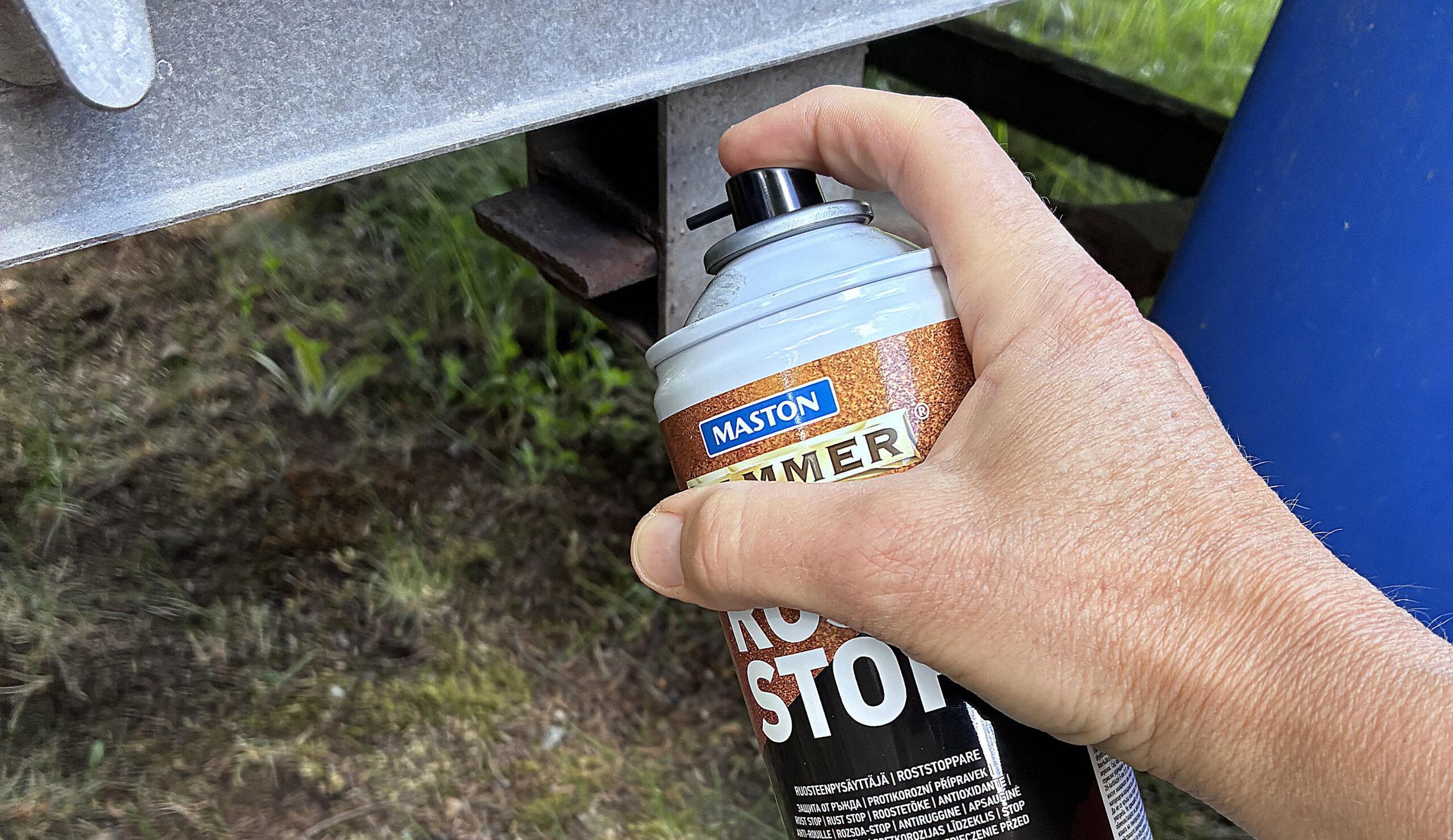
Painting tools also include brushes, rollers, and possibly spray paints. Brushes are good for painting details, while rollers are suitable for handling larger surfaces. Spray paints, such as Maston spray paints, are convenient when you want a smooth and even surface quickly. Remember to choose tools that best suit the object being handled and the desired outcome.
Additionally, you will need protective gear such as gloves and safety glasses, as well as protective paper or plastic to protect the work area. This ensures that the painting process is safe and clean.
Preparations before painting
Before you start painting ceramics, it is important to prepare the object carefully. Clean the ceramic thoroughly with warm water and mild detergent to remove grease, dirt, and dust. Allow the object to dry completely before starting to paint.
If there is old paint or glazing on the ceramic surface, consider lightly sanding it with fine sandpaper. This helps the new paint adhere better to the surface. Remember to wipe away all sanding dust before painting.
Once the object is clean and ready, place it on a flat and protected surface. Ensure that the workspace is well-ventilated, especially if you are using spray paints. This ensures that the painting process is as safe and efficient as possible.
Using the right painting techniques
When the object is ready to be painted, it’s time to choose the right painting techniques. If you are using brushes, start with thin layers and let the paint dry between layers. This helps avoid drips and unevenness. Use small brushes for painting details and larger brushes or rollers for handling broad surfaces.
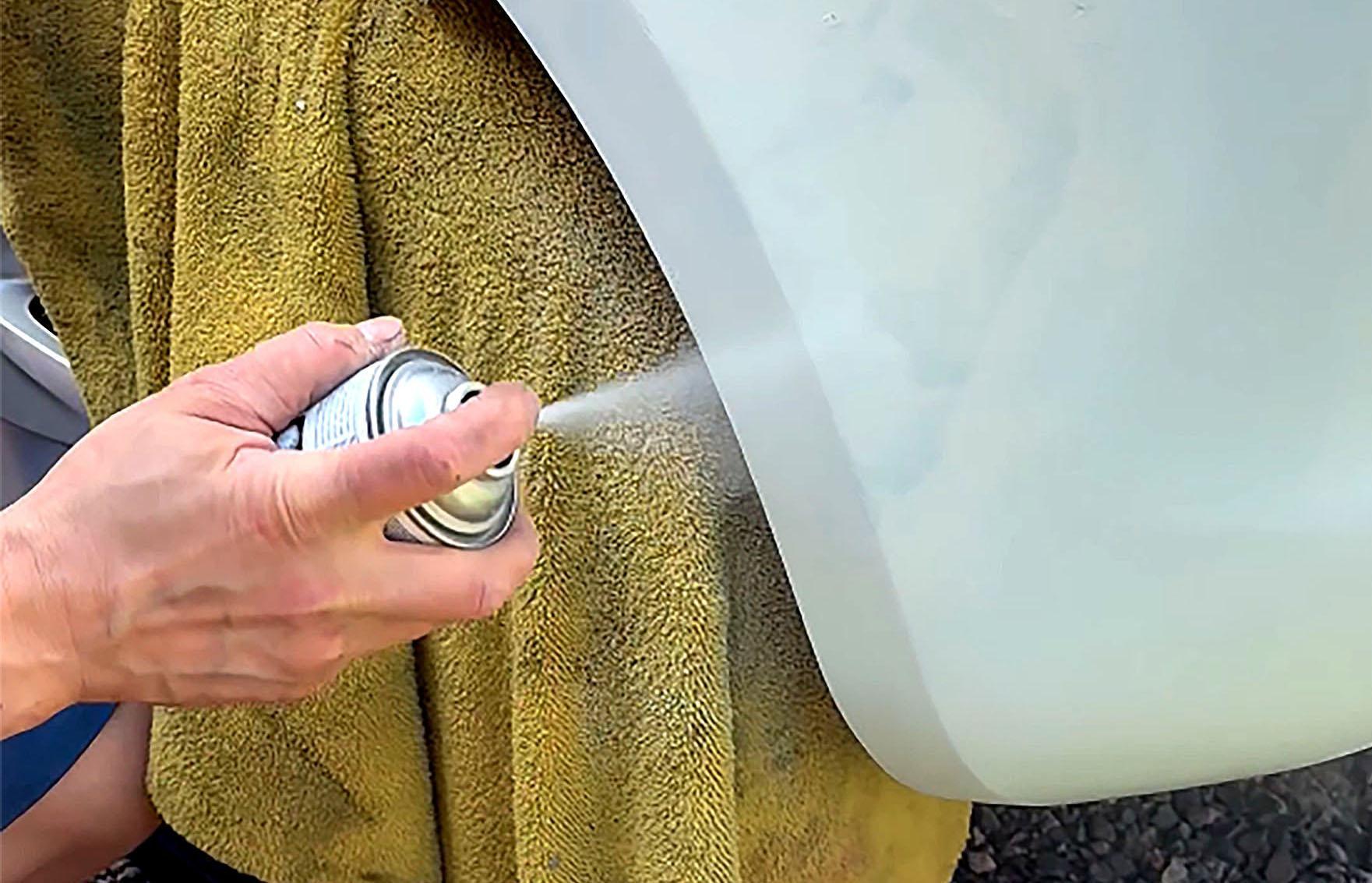
Spray painting is a quick and effective way to paint ceramics. Shake the can well before use and read the spraying distance indicated on the label. Apply the paint evenly by moving the can back and forth. Allow each layer to dry before applying the next to achieve an even and durable surface.
Remember that patience is key. Allow the paint to dry properly before adding the next layer or handling the object. This ensures that the result is durable and beautiful.
Tips for choosing colors and composition
Choosing colors is an important part of the ceramic painting process. Consider the look you want to create and choose colors accordingly. You can use Maston ceramic paints, which offer a wide range of bright and durable colors. Boldly combine colors or choose a harmonious palette that suits its environment.
Composition is also an important part of the painting process. Plan in advance how you want to place colors and patterns on the object. You can use stencils or tape to create precise patterns and borders. This helps you achieve a professional result.
Don’t be afraid to experiment with different color combinations and techniques. Painting ceramics is a creative process, and each object is unique. Let your imagination fly and enjoy the process.
How to finish painted ceramics
When you are satisfied with the painted ceramics, it’s time to finish them. Allow the paint to dry completely before the finishing stage. This can take from a few hours to a day, depending on the paint used and the number of layers.
To finish the piece, you can use a clear varnish or protective coating that shields the paint from wear and adds a beautiful sheen. Maston offers excellent protective coatings suitable for finishing ceramics. Apply the varnish or coating evenly and allow it to dry fully before using or displaying the item.
When the ceramic piece is completely dry and finished, it is ready to be used or displayed. Enjoy your creation and the fresh new look it brings to your home—or gift it to a friend.