How to protect your respiratory system and skin when spray painting
Products used in aerosol and spray painting contain chemicals that may be harmful to both the respiratory system and the skin without proper protection. Adequate equipment—such as appropriate respirators and protective clothing—is essential for safeguarding your health.
Ensuring good ventilation in the workspace and adopting correct working methods also helps minimise health risks during painting.
Why protecting your respiratory system and skin is important when spray painting
Spray paints contain chemicals such as solvents, propellants and pigments, all of which can cause significant health issues without proper protection. Inhaling these substances can irritate the respiratory tract and lead to breathing difficulties, headaches and dizziness shortly after exposure.
In the long term, repeated exposure to paint chemicals may result in more serious chronic respiratory diseases and other health problems. Solvent-based paints in particular may contain VOCs (volatile organic compounds), the health effects of which can appear only years later.
Skin exposure can cause dryness, irritation and even allergic reactions. Proper protection is therefore essential for every painting situation, whether it is a small one-off project or a regular hobby.
Maston’s water-based Zero series products are an environmentally friendly alternative, but they still require appropriate protective measures during use.
What are the best respirators for spray painting?
The choice of respirator depends on the scale of the painting work and the type of paint being used. Disposable respirators equipped with A2P2 filters are suitable for short painting sessions. These masks are affordable and easy to use, but provide limited protection.
Half masks with replaceable A2P2 filters offer more effective protection and are a better option for repeated use. They protect against both gases and particles and fit more tightly to the face, preventing harmful substances from entering the airways.
Full-face masks protect the respiratory system as well as the eyes and facial skin. These are the recommended choice for professional or frequent painting, especially when using solvent-based paints.
How to protect your skin effectively during spray painting
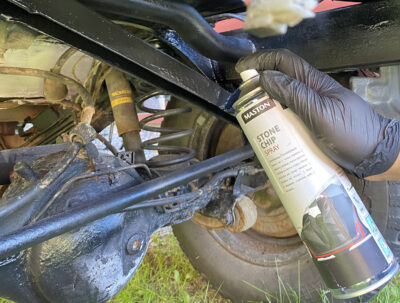
Effective skin protection requires the use of appropriate protective gloves. Nitrile or butyl rubber gloves offer the best resistance to solvents, whereas latex gloves are not suitable for painting due to their poor chemical resistance.
Long-sleeved and long-legged workwear protects the skin from splashes. Ideally, choose tightly woven synthetic materials, as they do not absorb paint as easily as natural fibres. Coveralls are an excellent option, as they protect the entire body.
Safety goggles are essential for shielding the eyes from paint particles. If you are not using a full-face mask, choose goggles that fit tightly against the face to prevent paint from entering the eyes.
After painting, clean your skin thoroughly. Use products designed specifically for removing paint residues without damaging the skin. Do not use solvents such as thinner or acetone, as these can dry and irritate the skin and may even increase chemical absorption.
How to set up a safe workspace for spray painting
Good ventilation is the most important element of a safe painting environment. Always paint in a space with effective ventilation or use a dedicated extraction fan. Outdoor painting is recommended whenever possible, but avoid painting in windy conditions, as this can cause uncontrolled overspray.
Protect any surfaces you do not intend to paint with suitable covering materials, such as paper or plastic. Remove potential ignition sources from the workspace, as many spray paints are highly flammable. Never paint near open flames.
The appropriate working distance from the object you are painting is usually 15–25 cm – always check the product-specific instructions on the side of the Maston spray can. Ensure the painted surface is clean and dry. For degreasing, we recommend Maston Degreaser Spray.
Make sure the items you plan to paint are small enough to be carried out of the room after finishing. Maston’s products are not intended for painting large wall areas, cars or other sizeable surfaces; they are mainly designed for smaller projects.
What to do if paint gets on your skin or is accidentally inhaled
If paint comes into contact with your skin, wash the area immediately with plenty of water and mild soap. Do not use solvents such as thinner or acetone, as they may worsen the situation by allowing chemicals to penetrate deeper into the skin.
If paint gets into your eyes, rinse them immediately with plenty of running water for at least 15 minutes. Keep your eyelids open during rinsing and seek medical attention afterwards.
If you have inhaled paint fumes and experience dizziness, headache or nausea, move immediately to fresh air. If symptoms persist or worsen, seek medical attention. In serious cases, or if the person has lost consciousness, call the emergency number 112.
If skin symptoms such as redness, itching or swelling appear, stop painting immediately and wash the area thoroughly. If symptoms are prolonged or severe, consult a doctor.
Key safety practices for spray painting
The cornerstones of safe spray painting are proper protective equipment, adequate ventilation and strict adherence to instructions. Always use a respirator, protective gloves and safety goggles when painting.
Read the instructions provided with Maston’s products carefully before starting and follow them precisely. Use the products only for their intended purposes and maintain the recommended spraying distance of 15–25 cm.
Keep spray paints out of reach of children and store them in a cool, dry place away from heat sources and direct sunlight. Even empty cans must be disposed of as hazardous waste.
Creating a safe painting routine requires preparation and carefulness. Prepare your workspace and protect yourself properly before starting. Learn the correct spraying technique: a light, steady motion at the right distance produces the best results and minimises health risks.
By following these guidelines, you ensure a safe and successful painting experience.
Maston products outside of Finland, please check your local retailers
Other articles